“An introspective, homespun philosopher” - New York Times
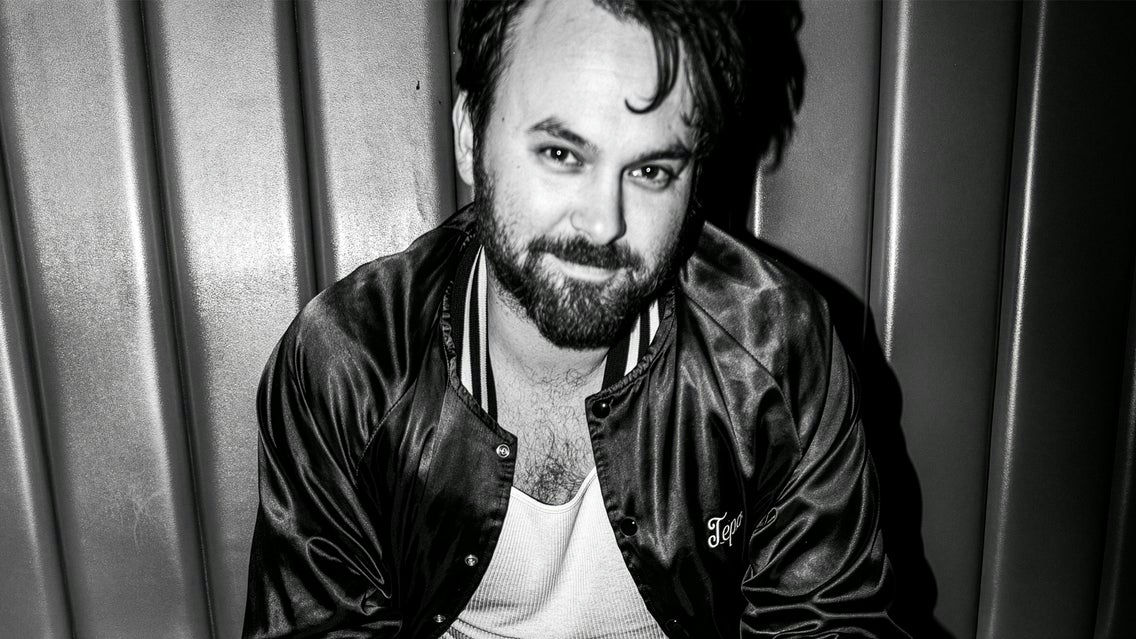
Steve Forbert is a true American musical treasure, underscored by the new album, Daylight Savings Time. Like all his albums, it's saturated with what venerated rock journalist Robert Christgau discerned as his "omnivorously observant" songwriting, marked by Steve's gift for finding the more profound meaning and magic within everyday moments, as well as his abundant melodic and poetic enchantment.
"Like Warren Zevon, Gram Parsons, Bob Dylan, Tom Petty, and Bruce Springsteen, Steve Forbert has left his unmistakable imprint on the landscape of American music," says American Songwriter. As with other esteemed creative souls, his work is marked by his own distinctive qualities, and he speaks genuinely to his listeners.
As Forbert approaches the milestone of his 70th birthday, Daylight Savings Time contemplates and celebrates the proverbial 'extra hour of daylight' that comes with the time change. "Yeah, to chirping crickets and to daylight savings time!" he sings on the album's first single, "Sound Existence," "The best ain't yet to come, but you could still get by just fine."
Daylight Savings Time is Forbert's third album helmed by producer/engineer Steve Greenwell. Its core components were cut at Greenwell's studio in Asbury, NJ, with drummer Aaron Comess (Spin Doctors) and keyboard player Rob Clores (Jesse Malin, The Black Crowes, Tom Jones.) Supple bass lines were contributed by Byron House (Dolly Parton, Emmylou Harris, Johnny Cash, Al Green, and more.) Gurf Morlix, whose guitar and production gifts were elemental in launching Lucinda Williams into the spotlight, tracked his note-perfect six-string contributions at his home studio just outside Austin, Texas.
When Steve arrived in New York City from his Meridian, Mississippi hometown in 1976, his aim was establishing a lifetime of creating, performing, and recording the songs he'd started writing at age 17 after cutting his teeth as a teen in local rock bands. He slotted seamlessly into the "new folk" revival in such Manhattan clubs as Folk City, The Bitter End, and Kenny's Castaways, yet at the same time took the stage at CBGB, ground zero of the burgeoning punk/new wave movement. He also busked on the streets of Greenwich Village and in the elegant confines of Grand Central Station.
Forbert chose his solo approach of voice, acoustic guitar, and harmonica, accented by foot stomps, to best approximate the melodic fullness and drive of a band. It inevitably caused him to be tagged as one of the numerous "new Dylans" that emerged in the 1970s. "Evoking the young Dylan has become a cliché for artists of